What the 7 Minute Workout Is
The 7 minute workout is a short, structured circuit of bodyweight exercises that keeps you moving with brief rest periods.
It is designed for busy schedules and for people who want a simple routine they can repeat several times per week.
Instead of chasing long gym sessions, you focus on a handful of movements that cover the major muscle groups and keep the heart rate elevated.
Read more about the format
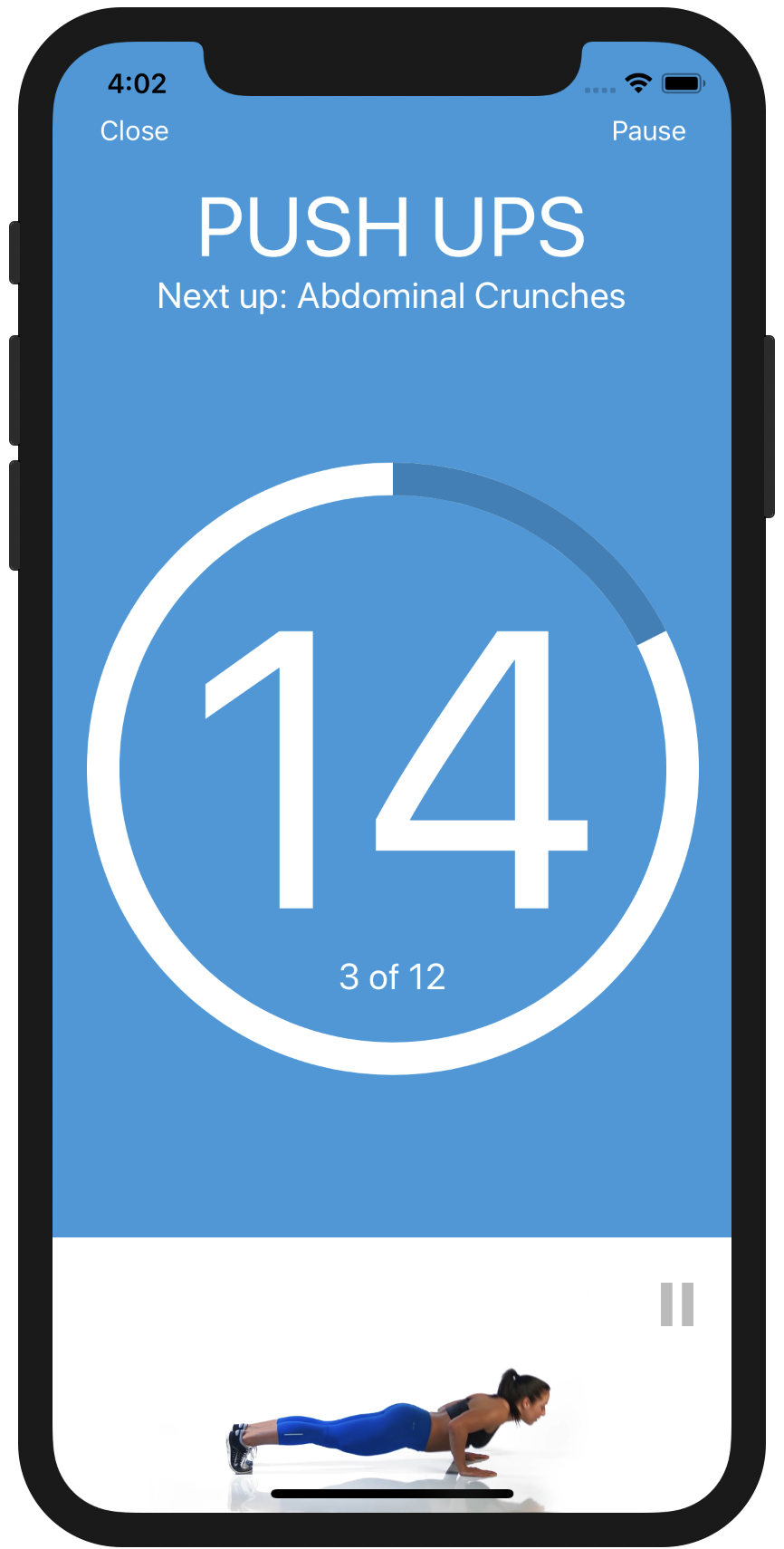
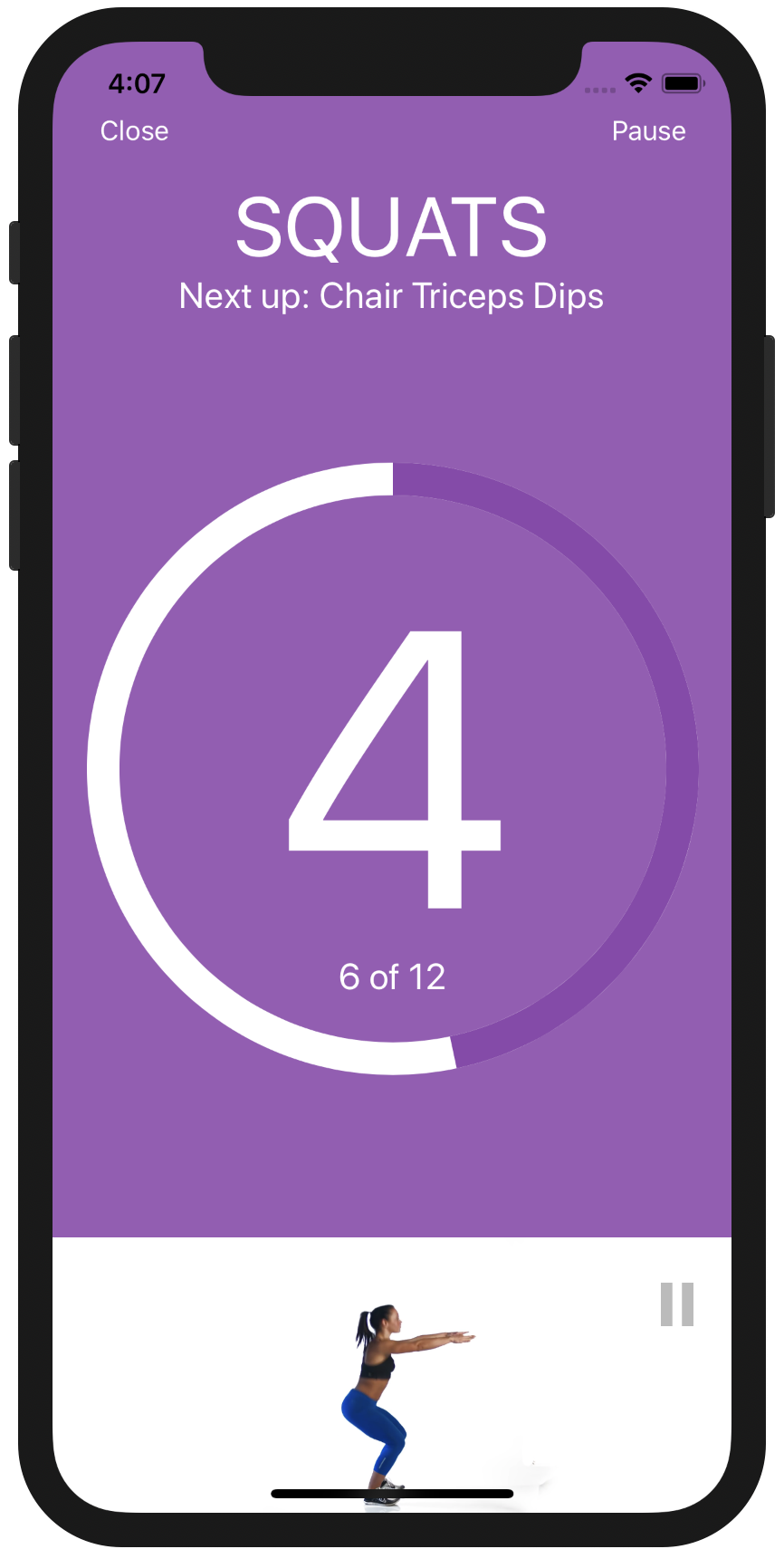
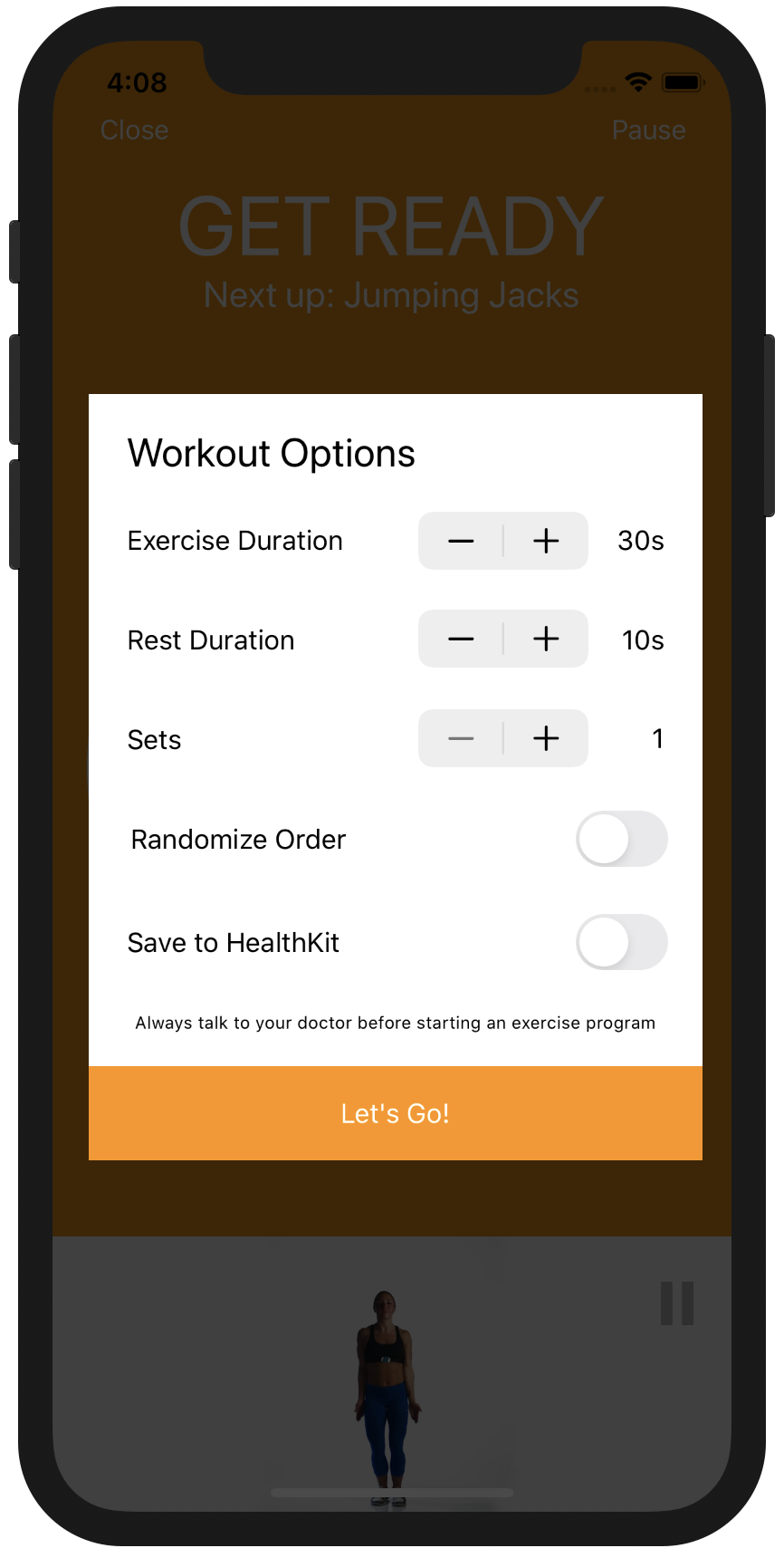
A typical session uses timed intervals, such as 30 seconds of work followed by 10 seconds of rest.
The workout is short on purpose, which makes it easier to show up consistently.
When you do that, small efforts add up and become a reliable fitness habit that fits almost any day.
Quick Answers
- Classic format: 12 moves, 30 seconds on, 10 seconds off
- Schedule: 3 to 5 sessions per week for most people
- Equipment: a chair and a clear floor
- Progress: add a second round or harder variations
Benefits of a 7 Minute Workout
A short workout has a different kind of value than a long workout.
You spend less time planning, less time commuting, and you remove the friction that makes people skip sessions.
This helps with consistency, which is a key driver of progress for strength, conditioning, and energy.
Read more about benefits
It also gives you a clear starting point.
You can measure how you feel, how hard you breathe, and how well you recover without guessing.
Over time you can add a second round, increase the pace, or choose a harder variation when you feel ready.
- Quick sessions that fit into mornings, lunch breaks, or evenings
- Bodyweight moves that build a base of strength and coordination
- Full body patterns that train legs, core, and upper body together
- Clear timing that makes effort easy to track and repeat
Science Behind the 7 Minute Workout
Short interval training is built around the idea that brief, focused efforts can stimulate meaningful fitness improvements.
When you alternate work and rest, your heart rate rises quickly and your muscles stay engaged across a range of movements.
The goal is not to exhaust yourself but to keep the intensity high enough that the time is used well.
Read more about the science
Studies on interval training show improvements in cardiovascular fitness and muscular endurance over time.
The exact results vary by person and routine, but the consistent theme is that regular effort matters more than perfect plans.
A 7 minute workout works because it is simple to repeat, which creates the steady training volume that drives change.
The best approach is to treat the workout as a baseline and build from there.
On busy days you do one round and move on.
On open days you add another round or mix in a longer walk or light strength session.
This keeps the program flexible without losing the habit.
Equipment Needed for a 7 Minute Workout
Most 7 minute routines are built around bodyweight exercises, which means you can start with almost no gear.
A stable chair, a clear floor, and a small area to move is enough for a full session.
The focus is on movement quality and steady pacing, not equipment.
Read more about equipment
- Chair or bench for step ups and triceps dips
- Yoga mat or towel for comfort on floor moves
- Timer or interval app to keep rest consistent
- Optional jump rope for extra cardio variety
If you prefer to keep things even simpler, swap in standing moves like marching jacks, air squats, and wall push ups.
The workout stays effective as long as you keep the pace steady and focus on form.
Equipment is helpful but not required to get the benefits of a short workout.
Beginner Modifications That Keep You Moving
Beginners should prioritize form, breathing, and control over speed.
The best modification is one that keeps the movement pattern intact while lowering impact or range of motion.
This allows you to complete the full circuit and build confidence without stopping.
Read more about beginner options
- Wall or counter push ups instead of floor push ups
- Chair squats with a gentle sit and stand
- Step backs instead of full jumping lunges
- Slow mountain climbers with hands on a bench
- Low impact jacks with a step side to side
You can also lengthen rest to 15 or 20 seconds while you learn each move.
Over time, reduce rest or increase pace rather than adding complexity.
The goal is steady progress, not a perfect first session.
Advanced Variations to Add Challenge
When a standard circuit feels comfortable, the fastest way to raise intensity is to adjust the movement, not the clock.
This keeps the structure familiar while adding a safe level of challenge.
Choose one or two upgrades at a time so form stays clean.
Read more about advanced options
- Jump squats instead of air squats
- Decline push ups or close grip push ups
- Walking lunges with a longer stride
- Mountain climbers with a faster cadence
- Plank variations like shoulder taps or side planks
Another option is to add a second round after a short recovery period.
Two rounds turns a 7 minute session into a 14 minute session while keeping the format consistent.
This small increase in volume can be enough to keep progress moving.
How to Structure and Schedule a 7 Minute Workout
The most common format is 12 exercises, 30 seconds of work, and 10 seconds of rest.
That adds up to about 7 minutes and keeps the transitions quick.
Each move should be simple enough to start quickly and safe enough to repeat weekly.
Read more about structure and schedule
A balanced session usually includes a squat, a hinge or hip driven move, a push, a pull or row variation if available, a core move, and a cardio move.
With bodyweight only, you can cover these patterns using squats, lunges, push ups, planks, and fast steps.
The key is to avoid stacking too many similar movements in a row so you can keep the pace.
Most people do well with three to five sessions per week.
The workout is short, but it still demands effort, so at least one lighter day helps recovery.
If you feel stiff or tired, keep the session easy and focus on smooth movement.
Consistency beats intensity when you are building a habit.
It is better to do three solid sessions each week than to do one extreme session and then skip the rest.
Once the routine feels automatic, you can add a second round on days with more time.
Progress and Form Cues
Progress in a short workout is often subtle.
You might recover faster, complete more reps, or keep your pace steady across the full circuit.
Tracking intervals and session counts makes those improvements easier to see.
Read more about progress and form
A simple approach is to keep the same exercise list for two to four weeks.
At the end of each week, note how hard the workout felt and whether you kept a consistent pace.
Once it feels smooth, adjust one variable such as a harder exercise or a shorter rest.
Short workouts move fast, which makes form cues essential.
For squats and lunges, keep your weight centered and let your knees track the direction of your toes.
For push ups and planks, keep a straight line from shoulders to hips and avoid sagging.
Breathe steadily, especially in the harder intervals.
Exhale on effort and keep your core engaged during any movement that loads the spine.
If your form falls apart, slow down and finish the interval with control.
How the App Supports Your Routine
A timer is only part of the solution.
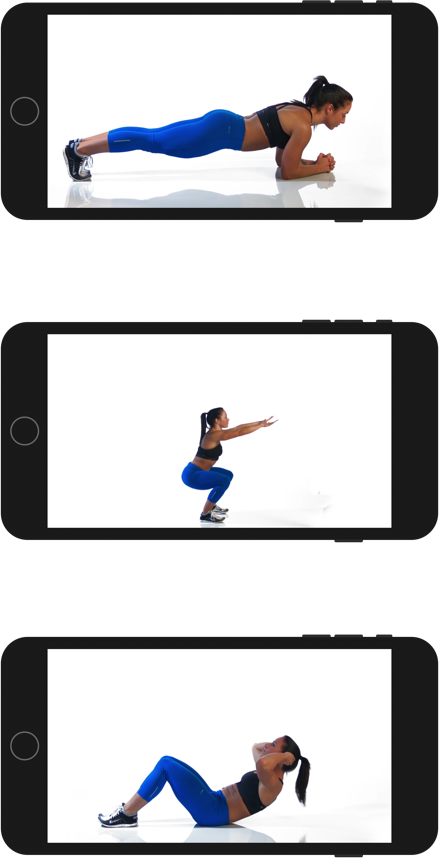
The app helps you keep the interval structure consistent, shows exercise demos, and saves sessions so you can repeat what works.
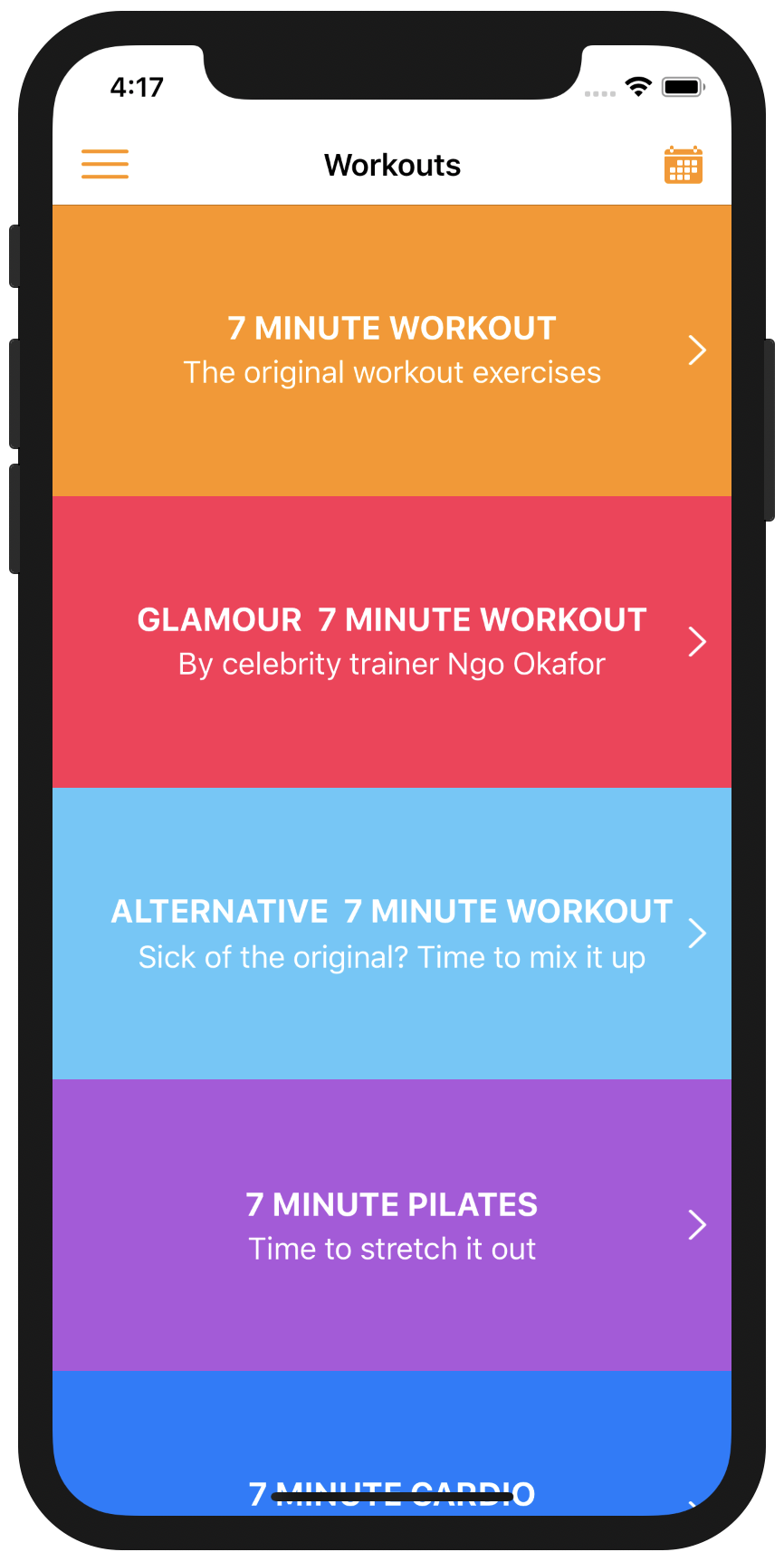
It also supports custom workouts, which makes it easy to tailor a routine for travel, home, or the gym.
Read more about app features
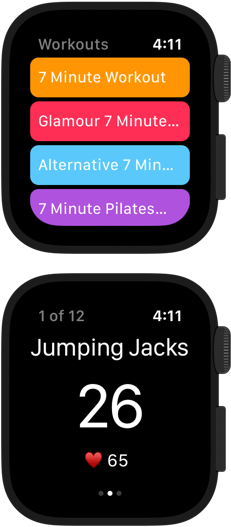
Apple Watch cues keep the session moving without looking at a screen.
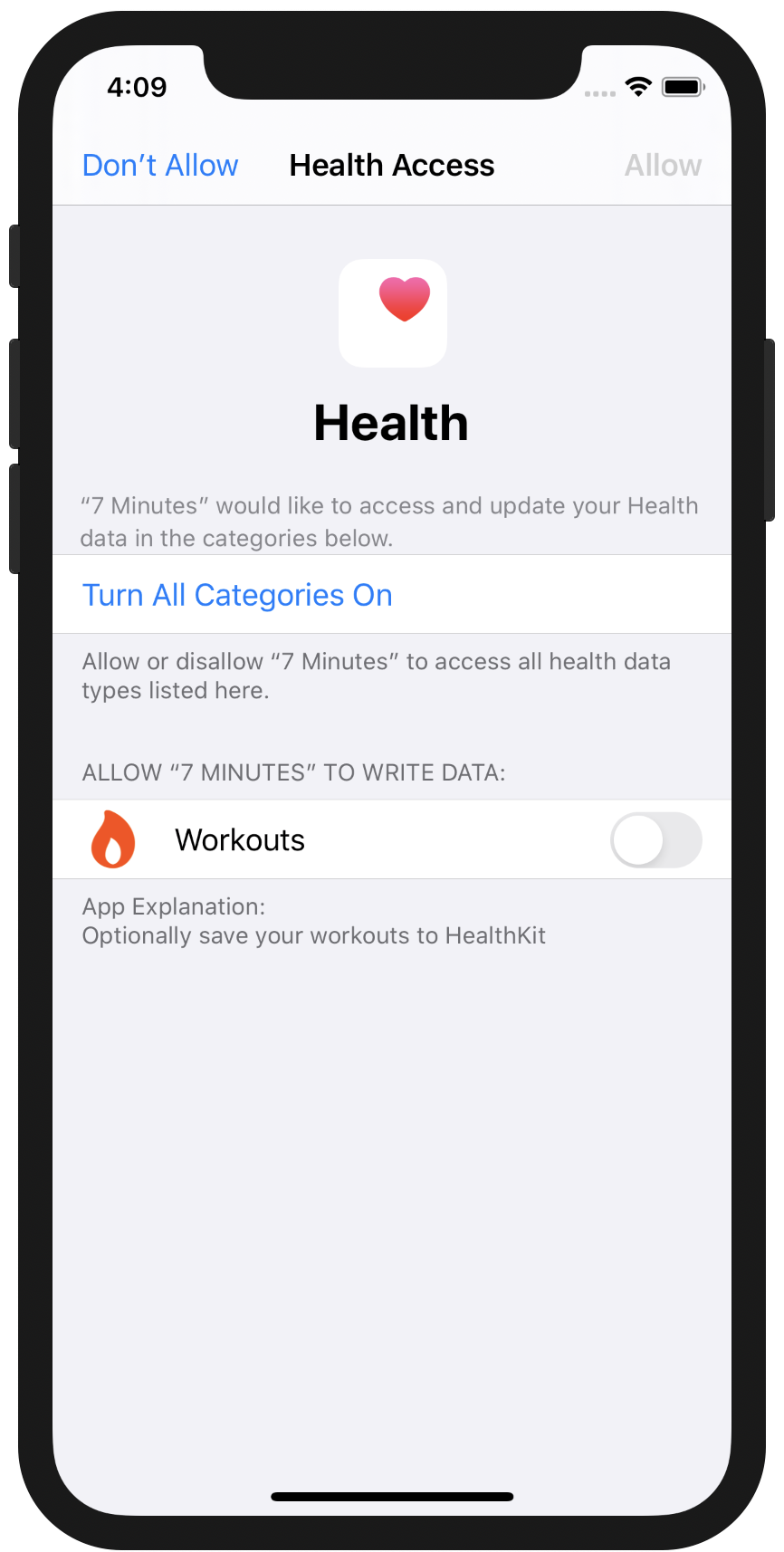
Apple Health and HealthKit support make it easy to track sessions alongside other activity.
These details keep your routine simple, which is the real secret to making a short workout stick.
Safety and Disclaimer
General fitness guidance only. Review the full terms on our terms and disclaimer page.
Example 7 Minute Workout Circuit
If you want a simple starting point, use this classic format: 12 moves, 30 seconds on, 10 seconds off.
Keep a steady pace and focus on clean reps instead of rushing.
Pick variations that match your current level so you can complete the full circuit without long pauses.
Read more about the example circuit
- Jumping jacks or marching jacks
- Wall sit or chair squat hold
- Push ups or incline push ups
- Ab crunch or dead bug
- Step ups on a chair or step
- Squats or squat pulses
- Triceps dips on a chair
- Plank or knee plank
- High knees or fast marches
- Alternating lunges
- Side plank left
- Side plank right
You can keep the same circuit for two to four weeks, then upgrade one or two moves to stay challenged.
The goal is to make the workout repeatable and easy to start.
If you want guidance and timing handled for you, the app keeps the intervals consistent and saves your routine.
FAQ
What is the 7 minute workout?
It is a short circuit of timed bodyweight exercises designed to be quick, repeatable, and effective.
How often should I do a 7 minute workout?
Three to five sessions per week is a common starting point, with rest days as needed.
Do I need equipment?
No. A chair and a clear floor are enough for most routines.
Is it good for beginners?
Yes. Beginners can scale moves and pace while still completing the full circuit.
Can I do more than one round?
Yes. Add a second round when the first feels controlled and recovery is good.
What makes the app helpful?
It keeps the timer consistent, shows demos, and tracks sessions so you can repeat what works.